
Maximizing Profits in the Truck Wash Industry
The commercial vehicle cleaning sector has evolved from a basic utility service into a sophisticated, high-margin industry that sits at the center of the logistics supply chain. As freight demands increase, fleet owners are looking for partners who can help them project a professional image while protecting their significant capital investments. For operators in this space, success depends on balancing high-speed throughput with specialized cleaning techniques that cater to the unique needs of heavy-duty haulers.
Understanding the Economic Landscape of Fleet Care
The financial potential of the heavy-duty cleaning sector is backed by significant market growth and a steady demand for professional hygiene services. As the backbone of the global economy, the shipping industry requires constant upkeep to stay compliant and efficient. According to IBS, the U.S. truck and car wash industry was valued at $15.2 billion in 2023.
Within this massive market, the semi-truck segment represents a high-value niche because the cost per wash is substantially higher than that of passenger vehicles, and the frequency of service is dictated by strict corporate branding standards and highway safety regulations.
To capture a larger share of this revenue, wash operators must position themselves as a critical component of a fleet’s semi truck maintenance strategy. This means moving beyond a "one-off" service model and toward long-term contracts with regional logistics firms. When a wash facility can prove that its services reduce long-term costs—such as preventing corrosion on expensive aluminum trailers—it becomes an indispensable partner rather than a luxury expense. Maximizing profit in this environment requires a deep understanding of the operational costs of the trucks themselves and how cleanliness impacts a driver’s Ability to pass roadside inspections.
Investing in High-Efficiency Automated Systems
In the truck wash business, time is the most valuable commodity for both the operator and the customer. A semi-truck that is sitting in a wash bay is not making money for the driver, which makes speed a primary competitive advantage.
Transitioning from manual power-washing teams to high-efficiency automated gantries or drive-through systems can significantly increase daily volume. Modern automated systems use sensors to map the dimensions of the cab and trailer, ensuring that brushes and high-pressure nozzles reach every contour without risking damage to mirrors or chrome stacks.
Automation does more than just increase speed; it provides the consistency required for high-level semi truck maintenance. While a manual crew might miss the center of a high-roof sleeper or the inner rails of a chassis, a calibrated machine applies the same pressure and chemical concentration to every square inch of the vehicle. This reliability builds trust with fleet managers who need to know that their entire fleet will look identical after a service. Furthermore, reducing the reliance on manual labor lowers the overhead costs associated with workers' compensation and turnover, allowing more of the gross revenue to flow directly to the bottom line.
Implementing Advanced Chemical Management Programs
The "secret sauce" of a profitable truck wash lies in the chemistry used to break down road film, diesel soot, and grease. Using a two-step chemical process—typically an acidic pre-soak followed by an alkaline detergent—allows for "touchless" cleaning that removes the most stubborn grime without abrasive scrubbing. By managing the concentration of these chemicals through automated dosing pumps, operators can ensure they are using exactly the amount needed for the current weather conditions, preventing the waste of expensive concentrates.
High-quality chemicals also play a vital role in the preservation of the vehicle's finish, which is a core goal of semi truck maintenance. Inferior soaps can dull paint or cause white-rust on aluminum tankers, which leads to unhappy clients and potential liability. By investing in premium waxes and drying agents, a wash facility can offer "premium" tiers that provide UV protection and water sheeting. These add-on services have very low material costs but carry high perceived value for owner-operators who take immense pride in the appearance of their rigs, allowing for significant upselling opportunities at the point of sale.
Prioritizing Under-Chassis and Engine Cleaning
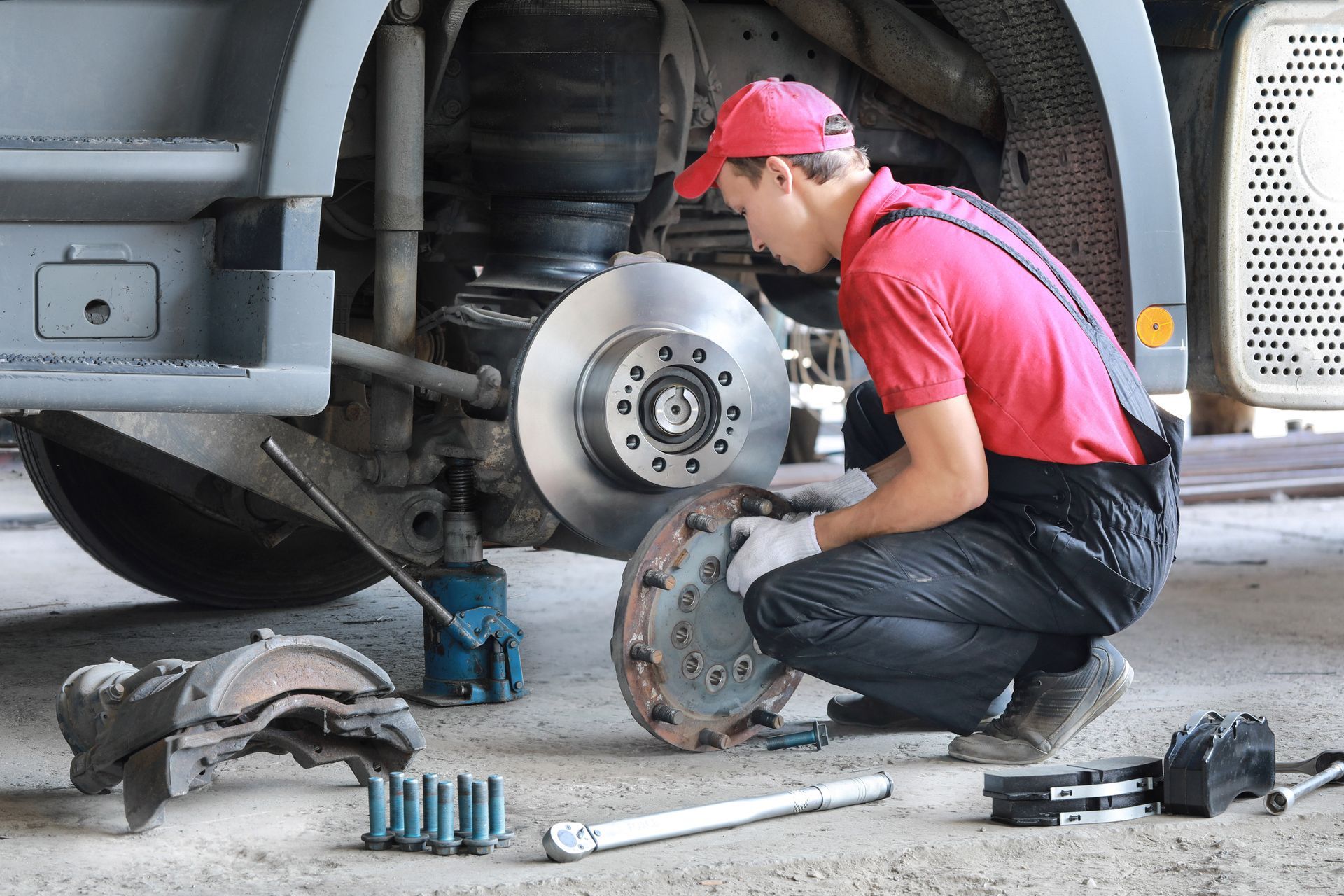
One of the most overlooked areas for profit generation is the cleaning of the truck’s structural and mechanical underside. During the winter months, magnesium chloride and other road salts accumulate on the frame, brake lines, and electrical harnesses, leading to rapid deterioration. Offering a high-pressure under-chassis wash is a high-margin service that fleet managers are willing to pay for because it directly extends the lifespan of the vehicle. This type of cleaning is a fundamental aspect of semi truck maintenance, as it allows mechanics to spot leaks or cracks that would otherwise be hidden under layers of road grime.
Additionally, professional engine degreasing services can be a major revenue driver. A clean engine runs cooler and is much safer to work on, reducing the risk of fire from grease buildup on hot manifolds. When a wash facility provides a certified clean engine bay, they are helping the driver prepare for DOT inspections where "cleanliness" is often seen as a proxy for overall mechanical health. By marketing these specialized cleaning zones as "inspection prep" services, wash operators can command a premium price that far exceeds the cost of the additional water and degreaser used.
Optimizing Water Reclamation and Sustainability
The largest utility expense for any semi-truck wash is water, and in many regions, the cost of discharge can be as high as the cost of the water itself. To maximize profits, modern facilities must invest in sophisticated water reclamation systems. These systems filter, treat, and recirculate up to 80% of the water used in the initial wash cycles. By reusing water for the high-volume undercarriage and wheel-well sprays, an operator can drastically reduce their monthly utility bills while positioning their business as an eco-friendly "green" facility.
Environmental compliance is also a major factor in long-term profitability. Fines for improper runoff can be devastating to a small business. A profitable facility ensures that all wastewater is processed through oil-water separators and sand traps before being discharged into the municipal system. Demonstrating this level of environmental responsibility is a key selling point for large corporate fleets that have their own internal sustainability goals. By aligning your wash's operation with the broader semi truck maintenance and environmental standards of the industry, you create a more resilient and reputable business model.
Leveraging Data
In the digital age, profit maximization is driven by data. Implementing a robust Point of Sale (POS) system that tracks wash frequency, vehicle types, and the most popular add-on services allows an operator to tailor their marketing efforts. For example, if data shows a lull in business on Tuesday afternoons, an operator can send a push notification to local drivers offering a discount on "Bright-Work" polishing. This keeps the bays full and the staff productive during traditionally slow periods.
The truck wash industry offers a unique intersection of high-volume service and specialized technical care. By focusing on automation, chemical precision, and the specific mechanical needs of the heavy-duty sector, operators can turn a simple cleaning service into a highly profitable enterprise. Success in this field requires a commitment to quality and an understanding that every truck leaving the bay is a moving billboard for your business. If you want to learn more about semi truck maintenance, contact Dallas Super Truck Wash & Lube today!


Share On: