
How Routine Maintenance Extends Your Truck’s Lifespan
Owning a truck is a significant investment, whether you rely on it for commercial operations, heavy hauling, or personal transportation. Trucks are built to withstand demanding conditions, but their durability depends largely on consistent care. Understanding the importance of regular truck maintenance can significantly prolong the life of your vehicle while improving performance and reliability. Routine inspections, timely repairs, and preventative measures help reduce wear and tear on essential components. This article explores the key aspects of maintenance and explains how they contribute to the longevity of your truck.
What Are the Essential Maintenance Tasks for a Truck?
Every truck depends on a variety of mechanical systems working together efficiently. Performing essential maintenance tasks ensures that each system remains functional and dependable. One of the most critical elements of truck maintenance involves monitoring engine health. Regular oil changes help lubricate engine components, reduce friction, and prevent overheating. Dirty or degraded oil can cause excessive wear on internal parts, leading to costly engine damage over time.
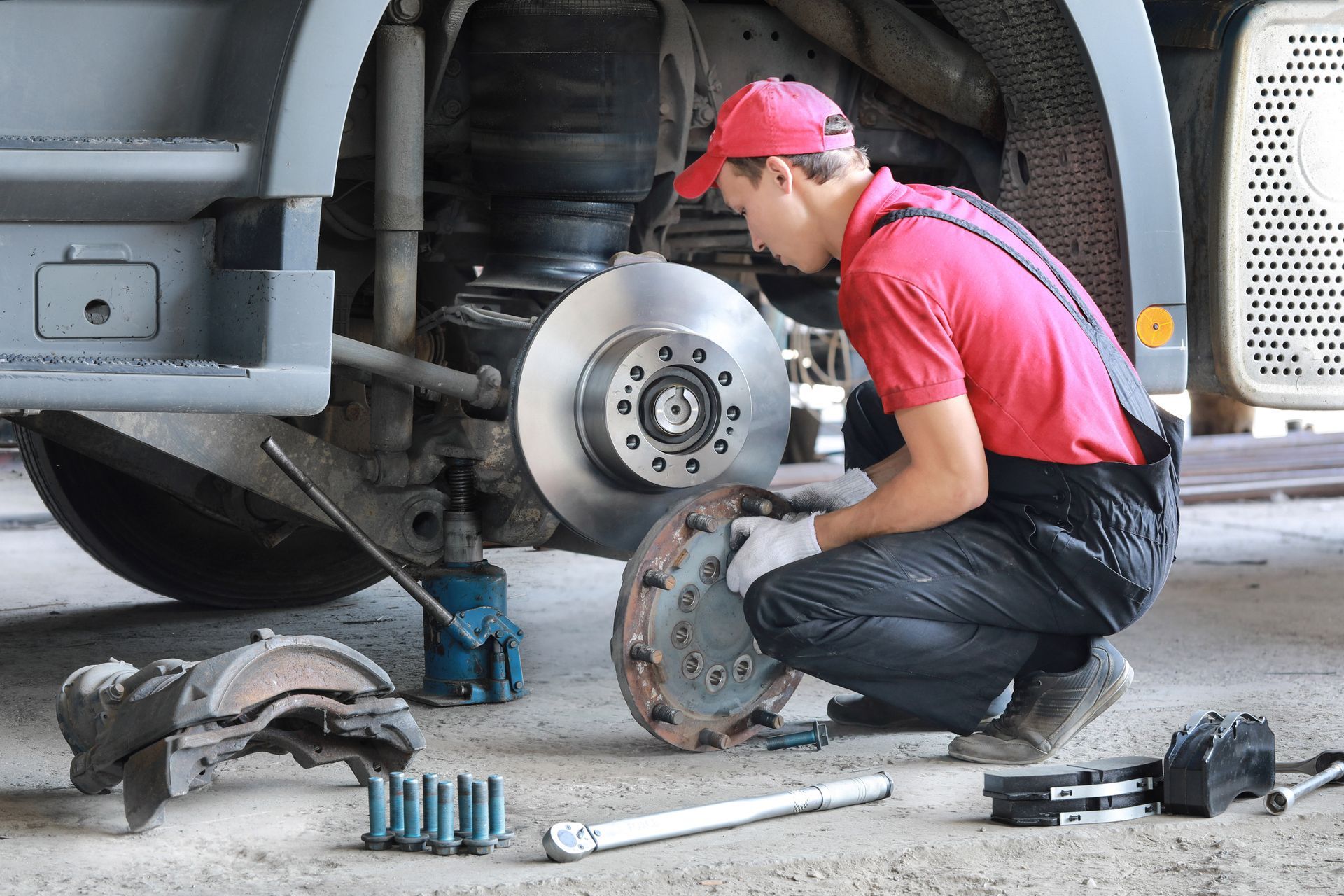
Another essential task includes checking and replacing air filters. Clean air filters improve fuel efficiency and prevent debris from entering the engine. When filters become clogged, the engine must work harder, which can shorten its lifespan. Brake system inspections also play a vital role in safe truck maintenance. Worn brake pads, damaged rotors, or leaking brake fluid can compromise stopping power and increase accident risks.
Tire maintenance is equally important. Regular tire rotations, pressure checks, and tread inspections help ensure even wear and improve fuel economy. Properly maintained tires also enhance traction and reduce the likelihood of blowouts during long trips. Additionally, fluid checks are necessary to keep systems operating smoothly. Transmission fluid, coolant, power steering fluid, and differential fluid all contribute to overall vehicle performance. Neglecting these fluids can lead to overheating, gear failure, or steering difficulties.
Battery inspections are another crucial part of truck maintenance. Corrosion buildup and weakened battery cells can lead to starting problems and electrical failures. Maintaining clean battery terminals and testing battery strength helps prevent unexpected breakdowns.
How Often Should You Service Your Truck?
The frequency of truck maintenance depends on several factors, including mileage, driving conditions, load weight, and manufacturer recommendations. Many trucks require routine service every 5,000 to 7,500 miles, particularly for oil changes and basic inspections. However, trucks used for heavy-duty work or frequent towing may require more frequent servicing.
Seasonal maintenance is another important consideration. Cold weather can affect battery performance, tire pressure, and fluid viscosity. Preparing your truck for winter conditions includes checking antifreeze levels, inspecting heating systems, and ensuring proper tire traction. Similarly, warm-weather preparation involves evaluating cooling systems and verifying that air conditioning components are functioning properly.
Drivers should also conduct daily or weekly inspections as part of routine truck maintenance. These quick evaluations can identify early signs of potential problems, such as unusual noises, fluid leaks, or warning lights. Catching issues early often prevents more extensive damage and costly repairs.
Long-distance drivers and fleet operators often follow preventive maintenance schedules tailored to their specific usage patterns. These schedules include comprehensive inspections at set mileage intervals, helping ensure that critical systems remain reliable. By following manufacturer guidelines and adjusting service intervals based on driving habits, truck owners can significantly extend their vehicle’s lifespan.
What Are the Consequences of Skipping Regular Truck Maintenance?
Failing to prioritize truck maintenance can lead to a wide range of mechanical, financial, and safety issues. One of the most immediate consequences involves decreased performance. Neglected engines may experience reduced fuel efficiency, loss of power, and increased emissions. Over time, minor problems can escalate into major mechanical failures requiring extensive repairs or full component replacements.
Safety risks also increase when truck maintenance is overlooked. Brake failure, tire blowouts, and steering malfunctions can all result from neglected maintenance practices. These issues place drivers, passengers, and other motorists at risk. In fact, road safety data highlights the importance of proper vehicle upkeep. According to TruckInfo.net, approximately 65% of truck-related accidents occur on interstate highways and freeways, where high speeds and heavy traffic amplify the dangers of mechanical failure. This statistic underscores the critical role that consistent inspections and repairs play in accident prevention.
Skipping routine service can also shorten the overall lifespan of your truck. Engine components, transmission systems, and suspension parts all experience increased wear when maintenance is delayed. Once significant damage occurs, repair costs often exceed the value of routine service appointments. Additionally, neglected vehicles tend to have lower resale values, making it more difficult for owners to recover their initial investment.
Unexpected breakdowns represent another major consequence of poor truck maintenance. Mechanical failures often occur without warning when preventative measures are ignored. Breakdowns can disrupt work schedules, delay deliveries, and create costly towing and repair expenses. Maintaining a consistent service routine helps minimize these risks and ensures that trucks remain dependable for daily operations.
How Can Proper Maintenance Save You Money in the Long Run?
While some truck owners may view maintenance as an ongoing expense, it often results in substantial long-term savings. Preventative truck maintenance helps identify small issues before they develop into costly mechanical failures. For example, replacing worn brake pads is far less expensive than repairing damaged rotors or addressing collision-related repairs caused by brake failure.
Improved fuel efficiency is another financial benefit of consistent truck maintenance. Properly inflated tires, clean fuel injectors, and well-lubricated engines all contribute to better fuel economy. Over time, these efficiency improvements can significantly reduce operating costs, particularly for trucks used in commercial transportation or long-distance hauling.
Regular inspections also help extend the lifespan of major components, such as transmissions and suspension systems. Replacing these parts can be extremely costly, but preventative care helps delay or avoid such replacements altogether. Maintaining proper fluid levels, performing scheduled tune-ups, and addressing minor wear can keep major systems functioning longer.
Insurance costs may also be influenced by maintenance practices. Well-maintained vehicles are generally considered safer and more reliable, which can reduce the likelihood of accident-related claims. Additionally, trucks with documented maintenance records often retain higher resale or trade-in values. Buyers are more likely to invest in vehicles with proven service histories, allowing owners to recover a larger portion of their investment when upgrading or selling their trucks.
What Tools and Resources Help With Truck Maintenance?
Modern truck maintenance has become more efficient thanks to advancements in diagnostic tools and maintenance resources. Onboard diagnostic systems, commonly known as OBD systems, allow drivers and technicians to monitor vehicle performance and identify potential problems through electronic sensors. These systems provide early warnings when components begin to fail, enabling timely repairs.
Maintenance tracking software has also become a valuable resource for truck owners and fleet managers. These digital tools help track service schedules, mileage intervals, and repair histories. Automated reminders ensure that essential maintenance tasks are completed on time, reducing the risk of overlooked service appointments.
Professional service manuals and manufacturer guidelines remain essential references for proper truck maintenance. These resources provide detailed instructions for performing inspections, fluid changes, and component replacements according to factory specifications. Following these guidelines helps ensure that maintenance procedures meet safety and performance standards.
Quality tools and replacement parts also contribute to effective maintenance routines. Using reliable equipment, such as torque wrenches, diagnostic scanners, and fluid testing kits, helps ensure accurate repairs and inspections. Additionally, working with experienced technicians provides valuable expertise for addressing complex mechanical issues. Professional mechanics can identify underlying problems that may not be visible during routine inspections, further enhancing the effectiveness of truck maintenance.
Routine truck maintenance plays a vital role in extending the lifespan, safety, and efficiency of any truck. Consistent inspections, timely repairs, and preventative care help protect critical components and reduce the risk of costly breakdowns. By investing time and resources into regular
truck maintenance, owners can enhance reliability, improve performance, and maintain long-term value. Trusting skilled technicians and utilizing modern tools ensures that trucks remain dependable and road-ready for years to come. If you need quality truck repairs, reach out to the team of professionals at Dallas Super Truck Wash & Lube today!


Share On: