
Environmental Benefits of Modern Truck Wash Facilities
Commercial trucks travel thousands of miles transporting goods, equipment, and essential supplies across the country. Keeping these vehicles clean is important for maintaining their appearance, supporting inspections, and removing accumulated road grime that can affect vehicle components. However, washing large trucks requires careful management of water, detergents, oils, and other contaminants that may enter the surrounding environment. Modern semi truck washes can help address these concerns through efficient cleaning equipment, responsible wastewater handling, and improved resource management. Unlike uncontrolled washing in parking lots or open areas, professionally designed facilities can direct used water toward appropriate collection and treatment systems. These measures can help reduce pollution while allowing trucking businesses to maintain their fleets. Understanding the environmental benefits of modern washing facilities helps fleet operators make more responsible decisions about routine vehicle maintenance.
Conserving Water Through Efficient Washing Systems
Water conservation is an important consideration when cleaning large commercial vehicles. Traditional washing methods may use more water than necessary, particularly when hoses run continuously or workers repeat cleani
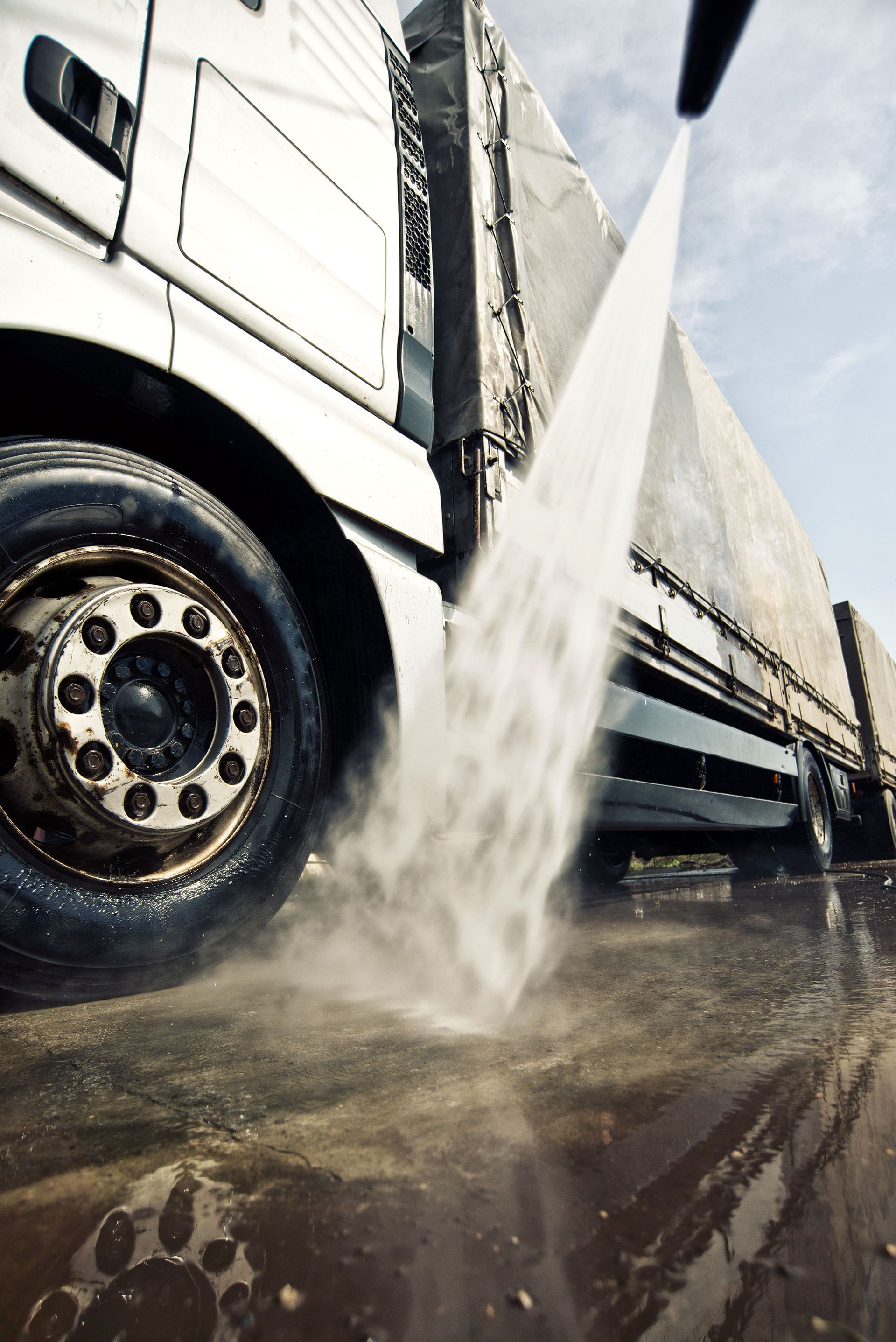
ng steps without efficient equipment. Modern semi truck washes can use pressure-controlled systems, specialized nozzles, and carefully designed wash cycles to improve water use. These technologies help direct water toward areas that need cleaning rather than allowing excessive runoff. Some facilities also incorporate water recycling systems that treat and reuse suitable portions of wash water. Reuse can reduce demand for fresh water, although the amount saved depends on the equipment and treatment process. Facility operators should regularly inspect pumps, hoses, and controls to identify leaks or inefficient operation. Combining efficient equipment with staff training helps make truck cleaning more resource-conscious.
Preventing Pollutants From Entering Waterways
Truck exteriors can collect oil residue, fuel deposits, brake dust, road salts, mud, and other contaminants during daily travel. When washing occurs on an uncontrolled surface, these substances may flow into storm drains and eventually reach nearby streams, lakes, or other waterways. Professionally managed semi truck washes can help reduce this risk by directing wastewater into designated collection and treatment systems. Proper drainage design is important because it separates wash water from stormwater runoff and helps prevent contaminated water from escaping the facility. Depending on local requirements, wastewater may need to pass through equipment that captures sediment, oil, or other pollutants before discharge. Facility operators must follow applicable wastewater rules and maintain their treatment equipment. Regular inspections can reveal damaged drains, blocked filters, or other problems that could compromise containment. Responsible wastewater management helps protect aquatic environments while supporting routine fleet cleaning.
Reducing Chemical Use Through Better Cleaning Methods
Cleaning products can influence the environmental impact of a truck washing operation. Some detergents contain ingredients that may be harmful when released into the environment or used improperly. Modern semi truck washes can reduce unnecessary chemical consumption by using measured dispensing systems and cleaning products suited to the type of soil being removed. Accurate dosing helps prevent workers from applying more detergent than a particular wash cycle requires. Facilities may also evaluate products designed to break down more readily under appropriate environmental conditions, while still ensuring that wastewater is managed correctly. Choosing a suitable cleaner can improve results without relying on excessive chemical strength. Employees should follow product instructions and use appropriate protective equipment when handling cleaning solutions. Careful chemical selection, storage, and application help reduce waste and limit avoidable environmental exposure.
Managing Wastewater Through Responsible Treatment
Wastewater management is central to environmentally responsible commercial vehicle cleaning. Used wash water may contain suspended dirt, grease, oils, detergent residues, and particles collected from road surfaces. Well-designed semi truck washes can incorporate settling tanks, filtration systems, oil-water separators, or other treatment technologies appropriate to their operations. These systems help capture certain contaminants before wastewater moves to the next stage of treatment or an authorized discharge point. The correct setup depends on facility design, the substances present in the wastewater, and local regulatory requirements. Treatment equipment must be maintained according to manufacturer guidance to remain effective. Captured sludge, oil, and other residues also require proper handling and disposal rather than being returned to the environment. A structured wastewater program helps facilities manage the byproducts of cleaning and reduce the risk of improper discharge.
Supporting Cleaner Operations Across Large Fleets
The environmental benefits of responsible truck washing become especially relevant when businesses operate many vehicles. According to the Federal Highway Administration, approximately 2.97 million semi-trucks are registered in the United States, illustrating the scale of the country's heavy-truck fleet. When fleet operators establish consistent cleaning procedures, they can direct more vehicles toward facilities designed to manage water and wastewater responsibly. Modern semi truck washes may also provide standardized processes that help companies maintain predictable cleaning schedules. Centralizing vehicle washing can make it easier for fleet managers to track service frequency, monitor operating costs, and review maintenance practices. Businesses should evaluate whether a facility has suitable wastewater controls rather than selecting a provider solely on convenience. Driver and maintenance staff education can reinforce the importance of using designated washing areas. Coordinated fleet practices can help reduce the environmental risks associated with routine vehicle cleaning.
Limiting Runoff Around Commercial Properties
Uncontrolled wash water can affect more than rivers and lakes because it may also carry contaminants across parking lots, loading areas, and nearby land. Mud, oils, and cleaning residues can move with runoff into storm drains or collect in surrounding soil. Purpose-built semi truck washes can help limit these pathways by using sloped wash bays, containment features, and drainage systems designed for the facility's needs. Keeping the washing area separate from general stormwater drainage helps reduce the chance that contaminated water will leave the site untreated. Operators should also store detergents and maintenance chemicals in designated areas where spills can be contained. Promptly cleaning up leaks and spills prevents contaminants from spreading during rain or routine operations. Periodic checks of paved surfaces, drains, and containment equipment help identify weaknesses before they cause larger problems. Good site management complements wastewater treatment by reducing pollution risks before water reaches the drainage system.
Improving Resource Efficiency Through Facility Maintenance
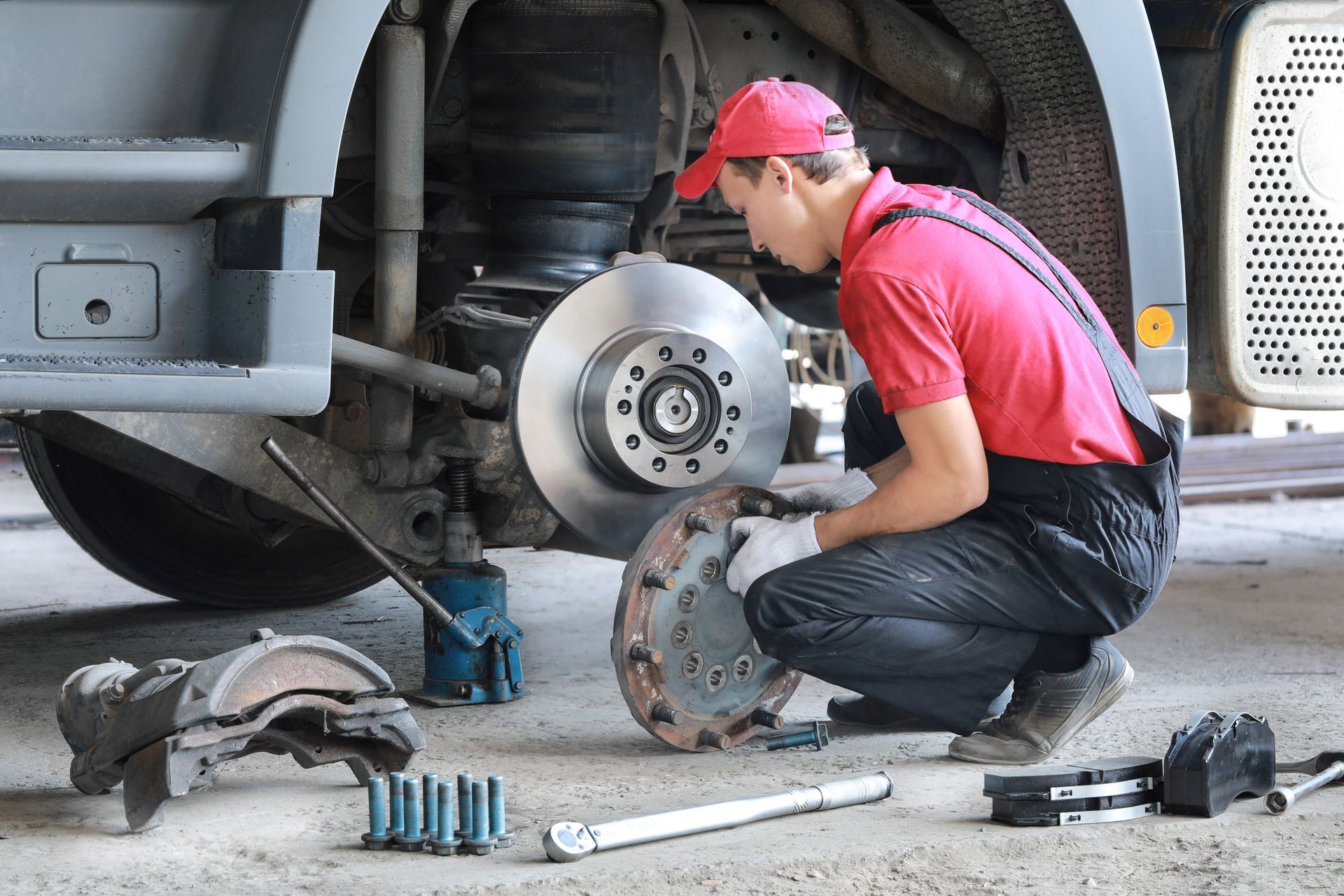
Environmental performance depends not only on equipment design but also on how consistently a facility is maintained. Leaking hoses, poorly adjusted spray nozzles, clogged filters, and malfunctioning pumps can increase water use and reduce cleaning efficiency. Modern semi truck washes benefit from planned inspections that identify these problems before they cause excessive waste. Staff should monitor water consumption, chemical use, and wastewater treatment performance to identify opportunities for improvement. Replacing worn components promptly can help equipment operate as intended and reduce unnecessary resource consumption. Facilities that recycle water must also verify that treatment systems remain suitable for the contaminants being handled. Maintenance records can help operators identify recurring failures and plan repairs before operations are disrupted. Consistent upkeep supports reliable cleaning while helping control the facility's environmental footprint.
Encouraging Sustainable Fleet Maintenance Practices
Truck washing can form part of a broader maintenance strategy that considers vehicle condition, operating efficiency, and environmental responsibility. Removing accumulated dirt and road residue allows drivers and maintenance teams to inspect exterior surfaces, lights, mirrors, and other components more easily. Semi truck washes that follow responsible water and wastewater practices can help fleet operators incorporate cleaning into a more organized maintenance program. Businesses should consider facility practices alongside route planning, vehicle upkeep, and other measures intended to reduce unnecessary resource consumption. Selecting cleaning providers with clear procedures for chemical handling and wastewater management can strengthen a company's environmental approach. Fleet managers may also establish written washing guidelines to help drivers understand where and how vehicles should be cleaned. Periodically reviewing these practices allows businesses to respond to operational changes and identify further improvements. Responsible cleaning decisions can support both vehicle care and better environmental management.
Modern truck wash facilities can provide environmental advantages through water conservation, wastewater treatment, controlled chemical use, and effective site management. Their performance depends on suitable equipment, consistent maintenance, and compliance with applicable environmental requirements. Dallas Super Truck Wash & Lube helps trucking businesses keep their vehicles clean while supporting routine fleet maintenance. Contact us to discuss your truck washing needs and learn more about maintaining your fleet through a convenient, professional cleaning service.


Share On: