
How Diesel Truck Repair Helps Keep Your Vehicle Running Reliably
Diesel trucks are built to handle demanding workloads, long distances, and heavy loads, but even the most durable vehicle requires regular attention to remain dependable. Routine maintenance and timely repairs can help identify developing problems before they turn into major mechanical failures, keeping a truck productive and reducing unexpected downtime.
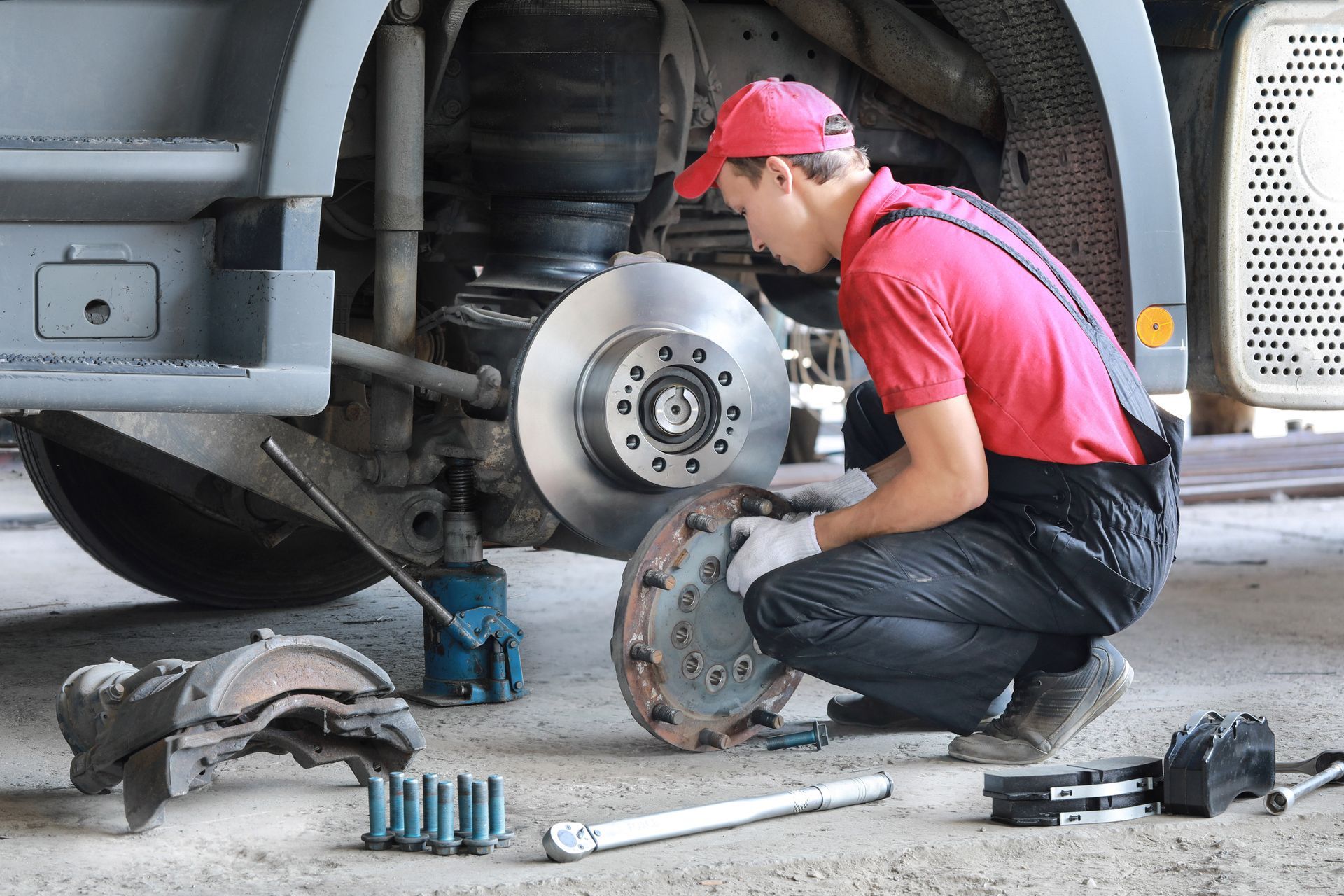
Diesel truck repair plays an important role in maintaining the performance, safety, and longevity of a heavy-duty vehicle. From addressing worn components to diagnosing electronic systems, professional service can help keep essential systems operating as they should. Regular maintenance can also contribute to better fuel economy and help truck owners avoid the higher costs associated with neglected mechanical problems.
Why Is Regular Maintenance Important for Diesel Trucks?
Regular maintenance gives truck owners an opportunity to identify wear and mechanical problems before they become serious. Diesel engines are designed for substantial workloads, but components such as belts, hoses, filters, fluids, brakes, and suspension parts can deteriorate over time. Ignoring these components can eventually affect other systems or leave the vehicle unable to operate.
Routine inspections can also help technicians identify issues that may not be immediately noticeable to a driver. Small fluid leaks, unusual engine sounds, declining brake performance, or changes in exhaust characteristics may indicate problems that require attention. Addressing these warning signs early can be less expensive than waiting until a component fails completely.
Preventive maintenance is particularly important for trucks that regularly tow heavy loads or travel long distances. These operating conditions can place additional stress on the engine, transmission, cooling system, and drivetrain. Following a maintenance schedule allows owners to keep track of service needs and address wear before it interferes with daily operations.
Regular diesel truck repair can therefore serve as a preventive measure rather than simply an emergency response. Keeping maintenance records can also help owners understand when components were last inspected or replaced, making it easier to plan future service.
What Are Common Issues in Diesel Trucks That Require Repair?
Diesel trucks can experience a wide range of mechanical and electrical problems as they accumulate mileage. Engine-related issues are among the most significant because problems involving fuel delivery, air intake, turbochargers, or cooling systems can affect overall performance.
Fuel system problems can cause hard starting, rough operation, reduced power, or poor fuel economy. Clogged fuel filters, failing injectors, and problems with fuel pumps may all require professional diagnosis. Because modern diesel engines use sophisticated fuel-delivery systems, identifying the precise source of a problem can require specialized diagnostic equipment.
Transmission problems are another concern. Symptoms such as slipping, delayed engagement, unusual noises, or difficulty shifting can indicate that a transmission requires inspection. Continuing to operate a truck with a developing transmission problem can potentially result in more extensive damage.
Diesel trucks can also develop brake, suspension, steering, electrical, and exhaust-system issues. Modern emissions equipment adds additional components that may require diagnosis when warning lights appear or the vehicle experiences reduced performance.
According to the American Trucking Associations website, the organization has proposed six actions for federal lawmakers intended to encourage technological innovation. These efforts can contribute to the development and adoption of increasingly advanced diagnostic technology for modern truck repair, giving technicians better tools for identifying vehicle problems.
How Often Should You Service a Diesel Truck?
There is no single service interval that applies to every diesel truck. Recommended maintenance schedules vary according to the truck's make, model, engine, mileage, age, workload, and operating conditions. The manufacturer's maintenance schedule should therefore serve as the starting point for determining when specific services should be performed.
Oil and filter changes are among the most important routine maintenance tasks for diesel engines. Diesel engines can place significant demands on engine oil, making it important to replace oil and filters according to the manufacturer's recommendations. Fuel and air filters also require periodic inspection and replacement.
Heavy-duty trucks that frequently tow, haul, idle for extended periods, or operate in severe conditions may require more frequent service than vehicles used under lighter conditions. Regular inspections can help determine whether components are wearing faster than expected.
It is also important to pay attention to the truck between scheduled appointments. Warning lights, changes in engine performance, unusual smells, fluid leaks, or unfamiliar noises should not necessarily wait until the next routine service. Prompt diesel truck repair can prevent a relatively minor problem from developing into a larger failure.
What Are the Benefits of Professional Diesel Truck Repair Services?
Professional repair services provide access to trained technicians, specialized tools, and diagnostic equipment. Modern diesel trucks can contain sophisticated electronic controls and computer-managed systems, making accurate diagnosis increasingly important.
A professional technician can evaluate symptoms, retrieve diagnostic information, inspect mechanical components, and determine what repairs may be necessary. This approach can help avoid replacing parts unnecessarily when the underlying problem is located elsewhere.
Professional service can also be valuable for repairs involving systems that require specialized procedures or equipment. Attempting complicated repairs without the appropriate knowledge or tools can potentially create additional problems, increase repair costs, or leave a truck unsafe to operate.
Another benefit is the opportunity to identify related problems during an inspection. A technician working on one component may notice worn parts or other conditions that warrant attention. Addressing multiple issues during a planned service visit can sometimes reduce downtime compared with waiting for each problem to cause a separate breakdown.
How Can Diesel Truck Repair Improve Fuel Efficiency?
Fuel represents a significant operating expense for many diesel truck owners, so maintaining efficient engine operation can have a meaningful effect on overall costs. Mechanical problems can cause an engine to consume more fuel than necessary, particularly when they affect combustion, airflow, fuel delivery, or drivetrain performance.
A clogged air filter, for example, can restrict airflow and affect engine operation. Problems with fuel injectors can also interfere with the proper delivery of fuel. Tire condition and alignment can influence rolling resistance, while drivetrain problems may make the engine work harder than necessary.
Regular maintenance helps keep these systems operating properly. Replacing filters, maintaining appropriate fluid levels, inspecting tires, and addressing engine problems can all support efficient vehicle operation.
Diesel truck repair can also help restore fuel economy when a mechanical issue is responsible for declining mileage. A truck that suddenly begins using substantially more fuel may be experiencing a problem that should be diagnosed rather than simply accepted as normal operating expense.
Regular inspections can also give truck owners greater confidence that their vehicles are prepared for demanding jobs and extended trips. By staying proactive with maintenance, owners can minimize disruptions and keep their diesel trucks performing consistently for years to come.
Reliable diesel truck operation depends on more than repairing a vehicle after it breaks down. Routine inspections, scheduled maintenance, and timely repairs can help protect major components, reduce unexpected downtime, and support consistent performance.
Diesel truck repair is particularly important for vehicles that regularly face heavy workloads and demanding operating conditions. Addressing developing problems early can help prevent more expensive failures while keeping essential systems functioning properly.
Professional maintenance can also contribute to fuel efficiency by keeping the engine, fuel system, drivetrain, and related components operating as intended. For truck owners who depend on their vehicles for work, investing in regular service is ultimately an investment in reliability, durability, and long-term operating costs. If you're looking for diesel truck maintenance, reach out to the team at Dallas Super Truck Wash & Lube today!



Share On: